
TL;DR
Fat tire snow bikes use extra-wide tires (4-5+ inches) at low air pressure to float over snow instead of sinking in, allowing year-round cycling on trails, beaches, and frozen lakes that regular bikes can’t handle. These specialized bikes open up winter riding opportunities with better flotation and grip than standard bicycles, though they require learning new techniques and proper cold-weather gear.
When snow covers the ground and regular bikes get stored away, most cyclists hang up their helmets until spring. But there’s a growing group of riders who refuse to let winter end their cycling season. The fat tire snow bike has changed everything, letting cyclists pedal through powder, cruise over ice, and explore winter landscapes that were once off-limits.
What is a Fat Tire Snow Bike?
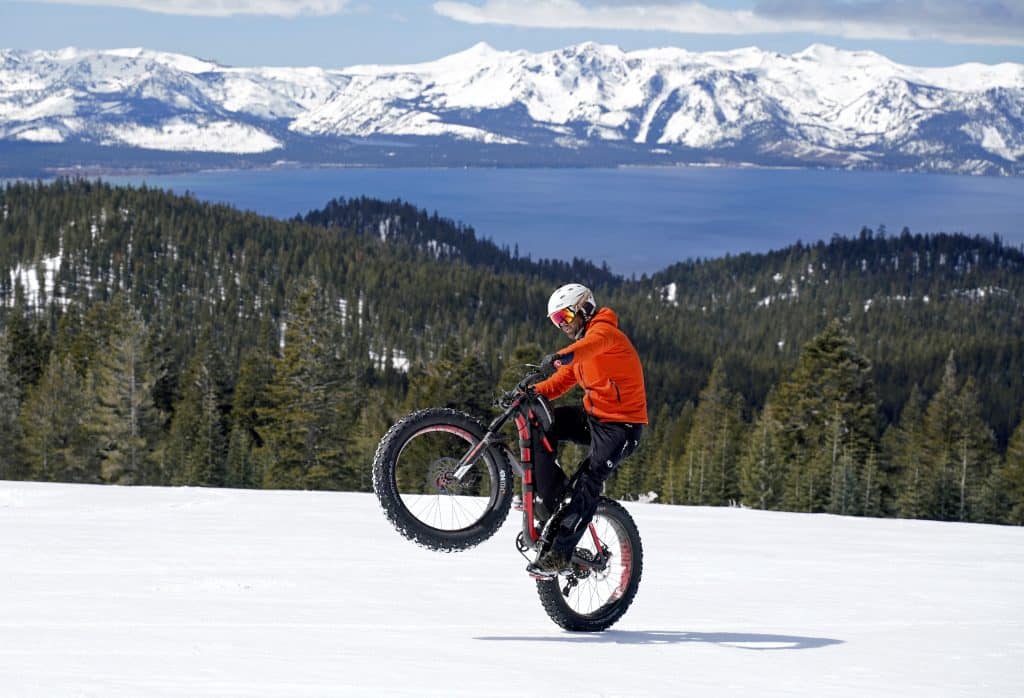
A fat tire snow bike is a special type of bicycle designed for winter riding. The main difference is the tires – they’re much wider than regular bike tires. While a normal mountain bike tire might be 2 inches wide, fat bike tires are usually 4 to 5 inches wide. Some are even wider.
These super-wide tires do something amazing in snow. Instead of sinking down and getting stuck, they spread your weight out over a bigger area. It’s like wearing snowshoes instead of regular boots. This lets you ride over snow that would stop a regular bike completely.
Fat tire snow bikes also have special rims that are much wider than normal bike rims. Everything is built stronger to handle the bigger tires and tougher winter conditions.
How Do Fat Tires Work in Snow?
The secret is all about pressure and surface area. When you lower the air pressure in fat tires, they get even wider and flatter. This creates a bigger “footprint” that floats on top of soft snow instead of cutting through it.
Most riders run their fat bike tires at very low pressure – sometimes as low as 5 to 8 PSI. That’s much lower than a regular bike tire, which usually runs at 30 to 50 PSI. This low pressure makes the tires work like balloons, spreading out to grip the snow better.
The wide tires also work great on ice and packed snow. The bigger contact area gives you more grip and control. Many riders say fat bikes feel more stable than regular bikes, even in slippery conditions.
Different Types of Fat Tire Snow Bikes
Fat bikes come in several styles, depending on what kind of riding you want to do:
Basic Fat Bikes have 4-inch tires and work great for most snow conditions. These are perfect for beginners and casual winter riding.
Plus-Size Fat Bikes have tires that are 4.5 to 5 inches wide. They handle deeper snow better and give even more flotation.
Ultra-Fat Bikes have tires wider than 5 inches. Some go up to 5.5 inches or more. These are built for the deepest, softest snow conditions.
Electric Fat Bikes add a motor to help you pedal. The extra power is great for climbing hills in snow or riding longer distances. The motor also helps when the snow gets really deep and hard to pedal through.
Where Can You Ride Fat Tire Snow Bikes?
One of the best things about fat bikes is where you can ride them. Regular bikes are limited to plowed roads and paths in winter. Fat bikes open up a whole new world:
Groomed Trails – Many ski areas and parks now groom special trails just for fat bikes. These packed trails are perfect for beginners.
Snowmobile Trails – Fat bikes can use many snowmobile trails, giving you access to hundreds of miles of winter paths.
Beaches – The wide tires work great on sand too, so you can ride beaches year-round.
Frozen Lakes – When lakes freeze solid, they become huge riding areas. Just make sure the ice is thick and safe.
Forest Trails – Summer hiking trails become winter fat bike adventures when covered in snow.
Getting Started with Fat Bike Winter Riding
If you’re new to fat biking, start easy. Pick a day when the temperature isn’t too cold and the snow isn’t too deep. Groomed trails are perfect for learning how fat bikes handle.
Here are some beginner tips:
- Start with lower tire pressure than you think you need. If you’re sinking into the snow, let out more air. You can always add air back if the tires feel too squishy.
- Dress in layers like you would for skiing. You’ll warm up quickly once you start pedaling, so don’t overdress. Waterproof gloves and warm boots are essential.
- Learn to read snow conditions. Packed snow is easiest to ride. Fresh powder can be fun but takes more skill. Avoid riding on ice unless you have studded tires.
Choosing the Right Fat Tire Snow Bike
When shopping for a fat bike, consider these key features:
Tire Size – Bigger tires handle deeper snow better, but they’re also heavier and harder to pedal. Most riders are happy with 4 to 4.5-inch tires.
Frame Material – Aluminum frames are lighter and don’t rust. Steel frames are stronger and cheaper but heavier.
Gears – More gears help in varied terrain, but they also mean more parts that can freeze up. Some riders prefer single-speed fat bikes for winter simplicity.
Brakes – Disc brakes work better in snow and ice than rim brakes. Hydraulic disc brakes perform best in cold weather.
Maintenance and Care
Fat bikes need special care in winter. Salt and snow can be tough on bike parts. After each ride, wipe down your bike and dry it off. Pay special attention to the chain and moving parts.
Store your bike in a warm, dry place when possible. If you have to store it outside, cover it to protect it from snow and ice buildup.
Check your tire pressure before each ride. Cold temperatures make tire pressure drop, so you might need to add air even if the tires looked fine the day before.
The Fat Bike Community
Fat biking has created a fun, welcoming community. Many cities have fat bike groups that organize group rides and events. These groups are great for learning new trails and meeting other winter cyclists.
Fat bike races and festivals happen all winter long. Some focus on speed, while others celebrate the fun and adventure of winter riding. Many events welcome beginners and focus more on having fun than winning.
Health Benefits of Winter Fat Biking
Riding a fat bike in winter gives you a great workout. Pedaling through snow burns more calories than regular biking. The unstable surface also works your core muscles as you balance.
Winter fat biking is also great for your mental health. Getting outside and staying active during the dark winter months helps fight seasonal depression. The fresh air and exercise boost your mood and energy levels.
Is Fat Tire Snow Biking Right for You?
Fat tire snow biking is perfect if you:
- Want to stay active and ride bikes all winter
- Enjoy exploring new places and trails
- Like the challenge of learning new skills
- Want a fun alternative to indoor winter workouts
- Already love regular biking and want to extend your season
Fat biking isn’t for everyone. It takes some practice to learn, and good winter gear can be expensive. But for cyclists who refuse to let winter stop their riding, it’s an amazing way to keep pedaling year-round.
The Bottom Line
Fat tire snow bikes turn winter from a time to avoid cycling into a whole new adventure. Instead of watching snow pile up and wishing for spring, you can be out there making fresh tracks through winter wonderlands.
Whether you want to cruise groomed trails or explore backcountry powder, fat bikes give you the freedom to ride anywhere winter takes you. For cyclists who love being outdoors no matter the season, it’s the perfect way to keep the fun rolling all year long.