
TL;DR
Winter mountain biking uses regular mountain bikes with specialized tires (studded, knobby, or plus-size) to ride snow-covered trails during cold weather months. Requires proper layered clothing, winter-specific gear, and different techniques for braking and traction, but allows year-round trail access and unique winter landscape experiences that most riders never see.
Most mountain bikers put their bikes away when snow starts falling. They think winter means the end of trail riding until spring comes back. But winter mountain biking is growing fast among riders who refuse to let cold weather stop their adventures. With the right setup and gear, you can keep hitting your favorite trails even when they’re covered in snow and ice.
What is Winter Mountain Biking?
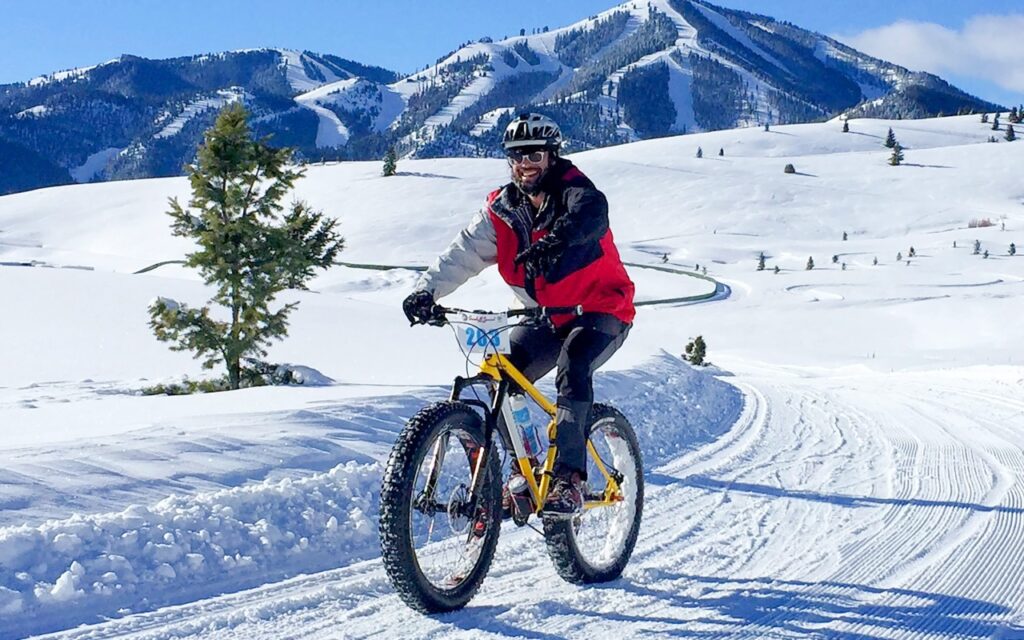
Winter mountain biking means riding your mountain bike on trails during cold weather months. This includes riding on snow-covered trails, icy paths, and even frozen ground. It’s different from regular mountain biking because you need special tires, gear, and techniques to handle winter conditions safely.
Unlike fat bikes that are built just for snow, winter mountain biking uses your regular mountain bike with some changes. The main difference is the tires. You swap out your regular tires for ones designed to grip snow and ice.
Winter mountain biking lets you explore trails in a completely new way. Familiar summer trails become totally different adventures when covered in snow. You’ll see wildlife tracks, frozen waterfalls, and winter landscapes that most people never experience.
Types of Winter Mountain Bike Tires
The most important part of winter mountain biking is choosing the right tires. You have several options:
Studded Tires have metal studs that bite into ice and hard-packed snow. These work best on icy trails and frozen ground. The studs give you amazing grip, but they’re slower on regular dirt and make noise on pavement.
Knobby Winter Tires have deeper, more aggressive tread patterns than summer tires. They work well in loose snow and muddy conditions. These tires are quieter than studded tires and work better on mixed terrain.
Plus-Size Tires are wider than regular mountain bike tires but not as wide as fat bike tires. They usually range from 2.8 to 3.2 inches wide. The extra width helps you float over soft snow and gives more traction.
Regular Tires with Chains let you use your summer tires with added chains for traction. This works for occasional winter rides but isn’t as good as dedicated winter tires.
Essential Winter Mountain Bike Gear
Winter mountain biking requires more gear than summer riding. Here’s what you need to stay safe and comfortable:
Layered Clothing is key to staying warm. Start with a moisture-wicking base layer, add an insulating middle layer, and finish with a windproof outer layer. Avoid cotton clothes that stay wet and cold.
Waterproof Gloves are essential. Your hands will get cold fast, and wet gloves make things worse. Many riders use liner gloves under waterproof outer gloves.
Warm Boots with good grip help you control your bike and keep your feet warm. Some riders use clipless pedals with winter-specific shoes, while others prefer flat pedals with grippy boots.
Eye Protection becomes more important in winter. Snow reflects sunlight and can cause snow blindness. Clear or yellow-tinted glasses help in low light conditions.
Emergency Gear should include extra layers, hand warmers, a headlamp, and basic repair tools. Getting stuck in cold weather can be dangerous.
Best Conditions for Winter Mountain Biking
Not all winter days are good for mountain biking. Here’s what to look for:
Packed Snow is ideal for beginners. The snow is firm enough to ride on but still gives good traction. Many parks groom their trails for winter activities.
Dry Cold Days with temperatures between 20-40°F are perfect. The ground is frozen solid, and you won’t deal with mud or slush.
Light Fresh Snow over a firm base can be fun for experienced riders. Avoid deep powder unless you have very wide tires.
Avoid Freeze-Thaw Cycles when temperatures go above and below freezing. This creates icy, dangerous conditions that are hard to ride safely.
Winter Mountain Bike Trail Etiquette
Winter mountain biking comes with special rules to protect trails and other users:
Don’t Ride on Soft Trails – If your tires are leaving deep ruts, the trail is too soft. Wait for it to freeze or dry out more.
Yield to Other Users – Hikers, skiers, and snowshoers have the right of way on most winter trails. Be friendly and share the trails.
Check Trail Rules – Some trails close to bikes in winter to protect the surface. Always check local rules before riding.
Stay on Designated Trails – Don’t create new trails in winter. Stick to established paths to minimize environmental impact.
Popular Winter Mountain Biking Destinations
Many places have great winter mountain biking opportunities:
Rocky Mountain States like Colorado, Utah, and Wyoming offer high-altitude trails that get packed snow perfect for winter riding.
Northern States including Minnesota, Wisconsin, and Maine have extensive trail systems that welcome winter mountain bikers.
Mountain Regions in places like Vermont, New Hampshire, and parts of California provide varied terrain and reliable winter conditions.
Local Parks in most areas have at least some trails that work for winter riding. Check with your local bike shops for recommendations.
Safety Tips for Winter Mountain Biking
Winter mountain biking has unique risks that summer riders don’t face:
Tell Someone Your Plans – Always let someone know where you’re going and when you expect to return. Cell service can be spotty in winter.
Start Close to Home – Begin with short rides near parking areas or trailheads. You can always go farther as you gain experience.
Watch for Hypothermia – Learn the signs of getting too cold. Shivering, confusion, and clumsiness are warning signs to head inside immediately.
Carry Extra Food – Your body burns more calories staying warm in winter. Bring high-energy snacks and warm drinks.
Check Weather Forecasts – Winter weather can change fast. Don’t get caught in a storm.
Bike Maintenance in Winter
Cold weather and winter conditions are tough on bikes. Here’s how to keep your mountain bike running:
Clean and Dry After Rides – Salt, snow, and mud can damage your bike. Rinse it off and dry thoroughly after each winter ride.
Use Winter Lubricants – Regular bike oil gets thick in cold weather. Switch to winter-specific chain lubes and greases.
Check Tire Pressure Often – Cold air makes tire pressure drop. Check before each ride and adjust as needed.
Store Indoors When Possible – Keeping your bike in a heated garage or basement prevents parts from freezing and extends their life.
Building Winter Mountain Biking Skills
Winter riding requires different skills than summer mountain biking:
Practice Braking – Stopping takes longer on snow and ice. Learn to brake earlier and more gradually.
Lower Your Tire Pressure – Softer tires grip better in snow. Experiment to find what works for your weight and conditions.
Stay Relaxed – Tense muscles make it harder to react to slippery conditions. Keep your arms and shoulders loose.
Pick Your Lines Carefully – Look ahead for the best traction. Avoid shiny ice patches and stick to areas with better grip.
The Winter Mountain Biking Community
Winter mountain bikers are a dedicated group who love sharing their passion. Many areas have winter mountain bike groups that organize rides and events. These groups welcome beginners and are great for learning new trails and techniques.
Some bike shops offer winter mountain biking clinics where you can learn proper techniques and try different gear. These classes are perfect for riders new to winter conditions.
Winter mountain bike races and festivals happen in many cold-weather areas. These events celebrate the sport and bring the community together during the quiet winter months.
Is Winter Mountain Biking Right for You?
Winter mountain biking is perfect if you:
- Love mountain biking and don’t want to stop in winter
- Enjoy outdoor adventures in all weather
- Like learning new skills and techniques
- Want a unique way to experience winter landscapes
- Are willing to invest in proper gear and clothing
Winter mountain biking isn’t for everyone. It requires good gear, proper preparation, and the willingness to ride in challenging conditions. But for mountain bikers who refuse to let winter slow them down, it offers incredible adventures and a whole new way to enjoy their favorite trails.
The Bottom Line
Winter mountain biking transforms the cold months from a time to avoid trails into a season of new adventures. Instead of hibernating indoors, you can be out there exploring snow-covered trails and experiencing the peaceful beauty of winter forests.
Whether you want to ride groomed park trails or tackle backcountry snow, winter mountain biking gives you the freedom to keep riding no matter what the weather brings. For mountain bikers who live for trail adventures, it’s the perfect way to keep the stoke alive all year long.