
TL;DR
Yeti bikes for snow include motorcycle conversion kits that replace wheels with tracks and skis, plus mountain bike winter setups using Yeti Cycles bikes with studded tires and cold-weather components. These systems let riders continue biking through winter on snow-covered trails with proven Yeti technology and quality.
When snow covers the trails and regular bikes get stored away, most riders think their biking season is over. But Yeti bikes for snow change everything. These specialized setups let you keep riding all winter long, turning snowy trails into your new playground. Whether you’re converting your existing bike or buying a snow-ready machine, Yeti snow bikes open up a whole new world of winter adventures.
What is a Yeti Bike for Snow?
A Yeti bike for snow refers to bikes that use Yeti conversion systems to handle winter conditions. This can mean two different things depending on what type of bike you’re starting with.
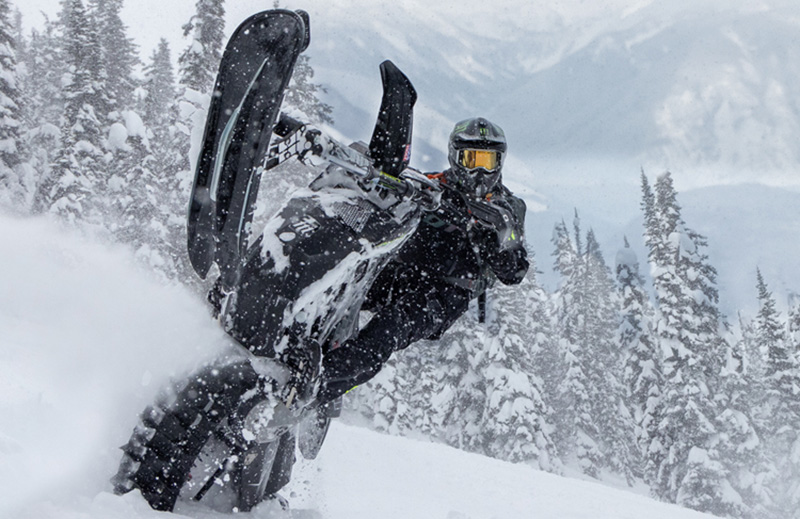
For motorcycles and dirt bikes, Yeti makes conversion kits that replace wheels with tracks and skis. These kits transform your regular dirt bike into a snow-conquering machine that can ride through powder, climb snowy hills, and navigate winter terrain.
For regular bicycles, a Yeti bike for snow usually means a fat tire bike or mountain bike that’s been set up for winter riding. While Yeti Cycles makes high-end mountain bikes, these get winter modifications like studded tires, different components, and cold-weather gear.
Both types give you the ability to keep riding when snow would normally stop you. The key is having the right setup for the snow conditions you’ll face.
Yeti Motorcycle Snow Conversions
The most dramatic transformation comes from Yeti’s motorcycle conversion kits. These systems completely change how your bike works in winter:
Track Systems replace your rear wheel with a rubber track that grips snow like a snowmobile. The track spreads weight over a larger area, letting you float over soft snow instead of sinking in.
Ski Systems replace your front wheel with a specially designed ski. This ski steers the bike while providing flotation in deep snow. The ski design affects how the bike handles and turns.
Popular Combinations include the Yeti 129 kit with bikes like the Honda CRF450, Yamaha YZ450F, or KTM 450 EXC. These setups offer great performance for most snow conditions.
Installation Process involves removing both wheels and mounting the track and ski systems. Most riders can do this in a garage with basic tools, though some prefer professional installation.
Yeti Mountain Bikes for Winter Riding
Yeti Cycles makes some of the world’s best mountain bikes, and many of these can be set up for winter riding:
Yeti SB models like the SB130 and SB140 can be converted for winter use with the right modifications. These bikes have excellent suspension and handling that works well in winter conditions.
Fat Tire Conversions involve switching to wider tires that work better in snow. While not as wide as dedicated fat bikes, plus-size tires (2.8-3.2 inches) can handle light snow conditions.
Studded Tire Options add metal studs to regular mountain bike tires for better grip on ice and packed snow. This lets you ride your Yeti mountain bike in winter without major modifications.
Winter Component Upgrades include things like winter-specific lubricants, different brake pads for cold weather, and protective gear to keep components working in harsh conditions.
Best Snow Conditions for Yeti Bikes
Different Yeti bike setups work better in different snow conditions:
Packed Snow and Groomed Trails work well for all types of Yeti snow bikes. The firm surface provides good traction and predictable handling.
Fresh Powder is where motorcycle conversions really shine. The track and ski system lets you float through deep snow that would stop regular bikes completely.
Icy Conditions require studded tires or tracks for safety. Both bicycle and motorcycle setups can handle ice with the right equipment.
Mixed Conditions with snow, ice, and bare ground challenge any setup. Motorcycle conversions usually handle this better than bicycle setups.
Riding Techniques for Snow
Riding a Yeti bike in snow requires different skills than regular riding:
Weight Distribution becomes more important in snow. You need to shift your weight to help with traction and steering, especially on motorcycle conversions.
Throttle Control (for motorcycles) needs to be smoother in snow. The track can spin easily if you’re too aggressive with the throttle.
Braking Techniques change in snow conditions. You need to brake earlier and more gradually to avoid sliding or losing control.
Cornering Skills require you to lean into turns while being ready for the bike to slide slightly. This takes practice to master safely.
Essential Winter Gear
Riding a Yeti bike in snow requires proper gear to stay safe and comfortable:
Protective Clothing should include insulated, waterproof layers. Avoid cotton clothes that get wet and cold. Choose materials that wick moisture and keep you warm.
Hand Protection is crucial since your hands control the bike. Waterproof gloves or mitts with good grip are essential. Many riders use heated grips for extra warmth.
Eye Protection becomes more important in snow. Goggles or glasses protect from wind, snow glare, and flying snow. Choose lenses that work in low light conditions.
Emergency Gear should include extra layers, high-energy snacks, a way to call for help, and basic repair tools. Getting stuck in cold weather can be dangerous.
Popular Yeti Snow Bike Models
Several Yeti setups have proven popular for snow riding:
Yeti 129 SS Kit works with many dirt bikes and offers good balance between flotation and maneuverability. The short ski design makes it easier to handle in tight spaces.
Yeti SB140 Mountain Bike can be set up for winter riding with appropriate tires and components. Its excellent suspension works well on rough winter trails.
Custom Yeti Builds combine different Yeti components for specific needs. Some riders mix track lengths, ski designs, and bike platforms for optimal performance.
Electric Yeti Conversions are becoming popular, combining electric bike power with Yeti snow bike components for quiet, eco-friendly winter riding.
Maintenance in Winter Conditions
Winter riding is tough on bikes, so proper maintenance is essential:
Post-Ride Cleaning removes salt, snow, and ice that can cause damage. Pay special attention to moving parts and electrical connections.
Lubrication needs to be winter-specific. Regular lubricants can get thick or freeze in cold weather. Use products designed for low temperatures.
Storage Considerations include keeping bikes in heated areas when possible and protecting them from moisture when stored outside.
Track and Ski Care involves checking for damage, keeping them clean, and making sure all mounting hardware stays tight.
Cost and Value Considerations
Getting into Yeti snow biking involves several costs:
Conversion Kit Prices for motorcycles range from several thousand dollars for basic setups to much more for high-end systems.
Mountain Bike Modifications are generally less expensive but still require investment in proper tires, components, and gear.
Operating Costs include fuel (for motorcycles), maintenance, and replacement parts. These are generally reasonable compared to other winter sports.
Value Proposition is strong if you already own a compatible bike. Converting an existing bike costs much less than buying dedicated winter vehicles.
Safety and Legal Considerations
Riding Yeti bikes in snow comes with important safety and legal issues:
Trail Regulations vary by location. Some areas welcome snow bikes while others restrict or ban them. Always check local rules before riding.
Safety Equipment should meet or exceed standards for winter sports. This includes helmets designed for winter use and appropriate protective gear.
Weather Awareness is crucial for safe riding. Know the forecast, understand avalanche risks if applicable, and have plans for changing conditions.
Emergency Preparedness includes carrying communication devices, knowing rescue procedures, and riding with others when possible.
The Yeti Snow Bike Community
The community around Yeti snow bikes is growing and supportive:
Online Forums provide places to share experiences, get technical help, and find riding partners. These communities are valuable resources for new riders.
Local Groups organize rides, events, and training sessions. Joining a local group is a great way to learn and improve your skills.
Manufacturer Support from Yeti includes technical resources, parts availability, and ongoing product development based on rider feedback.
Events and Competitions range from casual group rides to organized races. These events celebrate the sport and bring the community together.
Environmental Considerations
Yeti snow biking can be done responsibly with attention to environmental impact:
Trail Protection means staying on designated routes and avoiding damage to sensitive areas. Snow bikes can impact trails differently than other vehicles.
Wildlife Respect includes avoiding areas where wildlife might be stressed by human activity, especially during winter when animals are already under stress.
Noise Considerations vary by bike type. Electric conversions are quieter, while motorcycle conversions can be louder and may face restrictions in some areas.
Leave No Trace principles apply to snow biking just like other outdoor activities. Pack out trash, respect other users, and minimize your impact.
Future of Yeti Snow Biking
The technology and acceptance of Yeti snow bikes continue to evolve:
Improved Technology includes better tracks, more efficient skis, and integrated systems designed specifically for snow biking.
Electric Integration is growing as battery technology improves and electric bikes become more capable.
Wider Acceptance in trail systems and winter recreation areas as the benefits and minimal impact of snow biking become better understood.
Product Development continues with new models, better integration, and systems designed specifically for different types of snow conditions.
Is a Yeti Bike for Snow Right for You?
A Yeti bike for snow is perfect if you:
- Want to keep riding all winter long
- Enjoy learning new skills and techniques
- Like exploring winter landscapes and trails
- Already own a compatible bike or want to invest in winter riding
- Appreciate quality equipment and proven technology
Consider whether you’re ready for the learning curve, equipment investment, and different riding techniques required. But for riders who want to extend their season and experience winter in a new way, Yeti snow bikes offer incredible opportunities.
The Bottom Line
Yeti bikes for snow transform winter from a time to store your bike into a season of new adventures. Whether you choose a motorcycle conversion kit or set up a mountain bike for winter riding, Yeti systems give you proven technology and reliable performance.
The combination of Yeti’s reputation for quality with the growing popularity of snow biking creates equipment you can trust for winter adventures. Instead of waiting for spring, you can be out there making fresh tracks through winter wonderlands.
For riders who refuse to let snow end their biking season, Yeti bikes for snow provide the perfect solution to keep the adventure going all year long.