
TL;DR
Electric snow bikes use electric motors instead of gas engines to power snow bike track and ski systems, offering silent operation, instant torque, and zero emissions for winter riding. While limited by battery range and cold weather performance, they provide eco-friendly winter adventures with lower operating costs and access to areas where gas bikes may be restricted.
The world of winter riding is changing fast. Gas engines have ruled snow bikes for years, but electric power is creating a whole new way to explore snowy trails. Electric snow bikes offer quiet operation, instant torque, and eco-friendly adventures that are changing how riders think about winter sports.
What is an Electric Snow Bike?
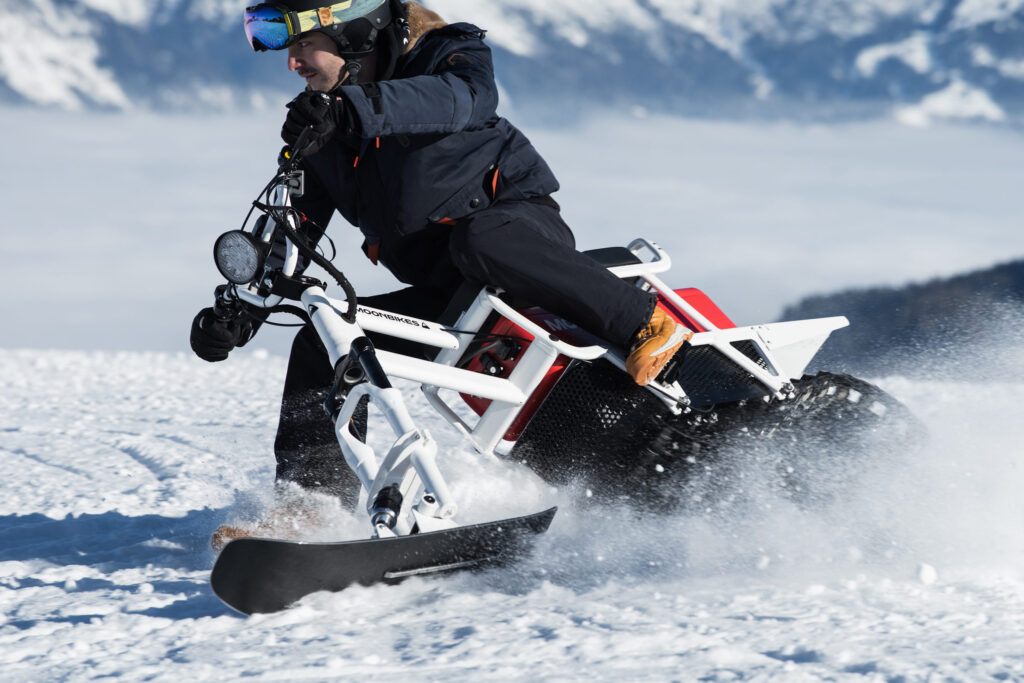
An electric snow bike combines an electric motor with snow bike conversion parts like tracks and skis. Instead of a gas engine making noise and fumes, you get silent electric power that delivers instant acceleration and smooth performance.
Most electric snow bikes start with either a purpose-built electric motorcycle or a regular electric bike that gets converted with snow bike parts. The electric motor provides power to spin the rear track, while a front ski handles steering and flotation.
The biggest difference from gas snow bikes is the riding experience. Electric snow bikes are nearly silent, which means you can hear the snow crunching under your track and enjoy the peaceful winter environment. You also get instant power delivery that makes climbing hills and accelerating through powder incredibly smooth.
Types of Electric Snow Bikes
Electric snow bikes come in several different styles depending on your needs and budget:
Converted Electric Motorcycles use bikes like the Zero FX or Sur Ron Light Bee with snow bike conversion kits. These offer the most power and longest range for serious winter riding.
Electric Fat Bike Conversions take regular fat tire bikes and add electric motors plus snow bike tracks. These are lighter and more affordable but have less power and shorter range.
Purpose-Built Electric Snow Bikes are designed from the ground up for winter riding. These are still rare but offer the best integration of electric power and snow bike features.
DIY Electric Conversions let handy riders build their own electric snow bikes using electric bike parts and conversion kits. These can be budget-friendly but require technical skills.
Advantages of Electric Snow Bikes
Electric power brings unique benefits to snow bike riding:
Silent Operation is the biggest advantage. You can ride through forests without disturbing wildlife or other people. The quiet operation also lets you hear potential dangers like cracking ice or approaching vehicles.
Instant Torque means immediate power when you twist the throttle. This is perfect for climbing steep hills or getting unstuck from deep snow. Electric motors deliver full power right from zero RPM.
No Emissions make electric snow bikes environmentally friendly. You’re not putting exhaust fumes into pristine winter environments or contributing to air pollution.
Easy Starting in cold weather is another big plus. Electric motors start instantly even in freezing temperatures, while gas engines can be hard to start when it’s really cold.
Lower Noise Restrictions mean you can ride in more places. Some areas that ban gas-powered vehicles allow electric ones because they’re quieter and cleaner.
Battery Performance in Cold Weather
The biggest challenge with electric snow bikes is battery performance in cold temperatures. Batteries don’t work as well when it’s freezing, which affects range and power.
Reduced Range is the main issue. You might get 30-50% less range in very cold weather compared to normal temperatures. This means shorter rides or carrying extra batteries.
Battery Warming helps maintain performance. Some riders use insulated battery covers or even heated battery systems to keep batteries at optimal temperature.
Battery Management becomes more important in winter. You need to monitor battery levels closely and plan rides around available range. Cold batteries can also lose charge faster when not in use.
Indoor Storage helps extend battery life. Bringing batteries inside to warm up before rides and storing them in heated areas when not in use keeps them healthier.
Popular Electric Snow Bike Setups
Several combinations work well for different types of riders:
Sur Ron Light Bee with Yeti Kit is a popular choice for beginners. The Sur Ron is lightweight, affordable, and has enough power for most snow conditions. Adding a Yeti conversion kit creates a capable electric snow bike.
Zero FX with Snow Bike Kit offers more power and range for serious riders. The Zero FX is a full-size electric motorcycle that can handle bigger snow bike conversion kits and more aggressive riding.
Electric Fat Bike Conversions use bikes like the Rad Power Bikes RadRover with track and ski conversions. These are the most affordable option but have limited power and range.
Custom Electric Builds combine high-power electric bike motors with lightweight snow bike parts. These builds can be very capable but require technical knowledge to set up properly.
Charging and Range Considerations
Planning rides around battery range is crucial for electric snow bike success:
Range Planning means knowing how far you can go on a single charge. Most electric snow bikes get 20-40 miles of range depending on conditions, riding style, and temperature.
Charging Infrastructure is limited in many winter riding areas. You need to plan rides that start and end where you can plug in, or carry extra batteries for longer adventures.
Charging Time varies from 2-8 hours depending on battery size and charger type. Fast chargers can reduce this time but may not be available everywhere.
Portable Charging solutions include small generators or solar panels for remote charging. Some riders carry these for extended backcountry trips.
Maintenance and Winter Care
Electric snow bikes need different maintenance than gas bikes:
Battery Care is the most important part. Keep batteries charged, store them properly, and monitor their health regularly. Cold weather is hard on batteries, so extra care is needed.
Electrical Connections need protection from moisture and salt. Use dielectric grease on connections and check them regularly for corrosion.
Motor Maintenance is usually minimal. Electric motors have fewer moving parts than gas engines, so they need less regular maintenance.
Track and Ski Care is the same as gas snow bikes. Keep tracks clean, check for damage, and maintain proper alignment.
Riding Techniques for Electric Snow Bikes
Electric power changes how you ride in snow:
Smooth Throttle Control is easier with electric motors. The instant torque delivery means you need to be gentle with the throttle to avoid spinning the track.
Regenerative Braking on some electric bikes helps slow you down while putting power back into the battery. This can extend range and provide additional braking power.
Power Management becomes important on longer rides. Many electric bikes have different power modes that let you balance performance with range.
Weight Distribution may be different due to battery placement. Learn how your specific bike handles and adjust your riding style accordingly.
Cost Considerations
Electric snow bikes have different cost structures than gas bikes:
Higher Initial Cost is typical for electric systems. Quality electric motors and batteries are expensive, making the upfront investment higher.
Lower Operating Costs help offset the initial expense. Electricity costs much less than gas, and electric motors need less maintenance.
Battery Replacement is the biggest long-term cost. Batteries wear out over time and can be expensive to replace after 3-5 years of use.
Charging Costs are minimal in most areas. It typically costs less than $1 to fully charge an electric snow bike battery.
Popular Riding Locations
Electric snow bikes are welcome in many places where gas bikes might not be:
National Parks sometimes allow electric bikes where gas bikes are banned. The quiet operation and zero emissions make them more acceptable in sensitive areas.
Groomed Trail Systems often welcome electric snow bikes. The quiet operation doesn’t disturb other users, and there are no emissions to worry about.
Backcountry Areas can be accessed with electric snow bikes, though range limitations require careful planning. The silent operation is perfect for wilderness experiences.
Urban Winter Trails work well for electric snow bikes. You can ride through parks and bike paths without noise complaints.
Safety Considerations
Electric snow bikes have unique safety considerations:
Silent Operation can be both good and bad for safety. While it’s peaceful, other trail users might not hear you coming. Use lights and ride defensively.
Battery Monitoring is crucial. Getting stranded with a dead battery in cold weather can be dangerous. Always monitor battery levels and plan accordingly.
Weather Sealing protects electrical components from snow and moisture. Make sure all connections are properly sealed and protected.
Emergency Planning should include backup power sources or ways to call for help if your battery dies in remote areas.
The Future of Electric Snow Bikes
Electric snow bike technology is improving rapidly:
Better Batteries with longer range and better cold weather performance are coming. New battery chemistries work better in freezing temperatures.
More Power Options include higher-power electric motors that can compete with gas engines for performance.
Integrated Designs will offer purpose-built electric snow bikes instead of conversions, providing better balance and performance.
Charging Infrastructure is expanding in many winter recreation areas, making electric snow bikes more practical for longer adventures.
Environmental Impact
Electric snow bikes offer significant environmental benefits:
Zero Direct Emissions mean no exhaust fumes in pristine winter environments. This helps preserve air quality in sensitive areas.
Reduced Noise Pollution protects wildlife and maintains the peaceful nature of winter landscapes.
Lower Carbon Footprint depends on how your electricity is generated, but electric bikes typically have much lower lifetime emissions than gas bikes.
Sustainable Recreation aligns with growing environmental awareness and the desire for cleaner outdoor activities.
Is an Electric Snow Bike Right for You?
Electric snow bikes are perfect if you:
- Want quiet, peaceful winter riding experiences
- Care about environmental impact and emissions
- Ride in areas where noise is a concern
- Enjoy the instant torque and smooth power delivery
- Don’t mind planning rides around battery range
- Want lower operating costs and maintenance
Electric snow bikes aren’t ideal for everyone. Range limitations, cold weather battery performance, and higher upfront costs can be drawbacks. But for riders who value quiet operation and environmental responsibility, they offer an incredible winter riding experience.
The Bottom Line
Electric snow bikes represent the future of winter riding. They combine the thrill of snow biking with the benefits of electric power, creating a riding experience that’s both exciting and environmentally responsible. Whether you want to explore quiet forest trails or enjoy emission-free winter adventures, electric snow bikes offer a unique way to experience winter landscapes. As battery technology improves and charging infrastructure expands, electric snow bikes will only get better and more practical.
For riders ready to embrace the quiet revolution in winter sports, electric snow bikes provide an amazing way to enjoy the snow while protecting the environment for future generations.