
TL;DR
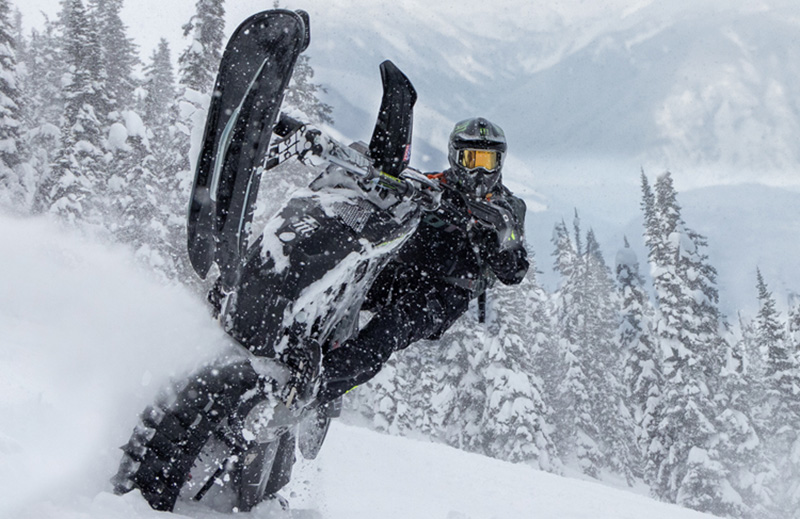
A Yeti snowmobile bike combines a dirt bike engine with snowmobile-style tracks and skis, creating a lighter, more agile alternative to traditional snowmobiles. These conversion kits transform regular motorcycles into winter machines that offer better maneuverability in tight spaces while maintaining enough power for deep snow and steep terrain.
Winter sports enthusiasts often have to choose between the power of a snowmobile and the agility of a bike. But what if you didn’t have to pick just one? The Yeti snowmobile bike combines the best of both worlds, giving riders a unique machine that’s more nimble than a traditional snowmobile but more powerful than a regular snow bike.
What is a Yeti Snowmobile Bike?
A Yeti snowmobile bike is a specialized winter vehicle that sits between a snowmobile and a snow bike. It uses snowmobile-style tracks and skis but has a bike-like riding position and lighter weight. The Yeti brand has become famous for creating high-quality conversion systems that transform regular motorcycles into snow-ready machines.
Unlike full-size snowmobiles that can weigh 400-600 pounds, Yeti snowmobile bikes are much lighter and easier to handle. They’re also different from regular snow bikes because they often use wider tracks and more powerful engines, giving them better performance in deep snow conditions.
The most popular setup combines a dirt bike engine with Yeti’s track and ski system. This creates a machine that can go places regular snowmobiles can’t reach while still having enough power for serious winter riding.
How Yeti Snowmobile Bikes Work
The magic happens with three main parts working together. The rear track system replaces the back wheel and uses a wide rubber track with deep lugs. This track grips the snow and pushes you forward, just like a snowmobile track but lighter and more responsive.
The front ski replaces the front wheel and steers the machine. Yeti skis are specially designed to turn quickly while still providing good flotation in soft snow. The ski has a curved bottom that helps it ride over snow instead of digging in.
The bike frame and engine stay mostly the same as a regular dirt bike. This keeps the weight down and maintains the bike-like feel that many riders prefer. The engine provides plenty of power to spin the track and climb steep hills covered in snow.
Popular Yeti Snowmobile Bike Setups
Different riders choose different combinations based on what kind of riding they want to do:
Trail Riding Setups use lighter bikes like the Honda CRF250 or Yamaha YZ250F with shorter Yeti tracks. These are perfect for groomed trails and casual winter riding.
Mountain Riding Setups combine powerful bikes like the KTM 450 EXC or Husqvarna FE 501 with longer Yeti tracks. The extra power and track length handle deep powder and steep climbs better.
Racing Setups use high-performance bikes with modified engines and specialized Yeti components. These machines are built for speed and aggressive riding in winter conditions.
Custom Builds take the concept even further with big bore engine kits, custom suspension, and modified Yeti components. Some riders build machines with 500cc or larger engines for maximum power.
Advantages Over Regular Snowmobiles
Yeti snowmobile bikes have several key advantages over traditional snowmobiles:
Better Maneuverability – The lighter weight and bike-like handling make them much more agile. You can weave through tight trees and make quick turns that would be impossible on a full-size snowmobile.
Easier Transportation – They’re lighter and smaller, so they’re easier to load in truck beds or trailers. You don’t need a big trailer like you do for regular snowmobiles.
Lower Cost – If you already have a dirt bike, you just need to buy the Yeti conversion kit. This costs much less than buying a new snowmobile.
Summer Use – You can convert back to regular dirt bike mode for summer riding. One machine gives you year-round fun instead of something that only works in winter.
Better in Tight Spaces – The narrow profile lets you ride trails that are too tight for wider snowmobiles. You can explore areas that bigger machines can’t access.
Riding Techniques for Yeti Snowmobile Bikes
Riding a Yeti snowmobile bike takes some different skills than regular dirt biking or snowmobiling:
Weight Shifting becomes more important in snow. You need to lean into turns and shift your weight to help the ski and track work together.
Throttle Control is different because the track can spin easier than a wheel. Smooth throttle inputs help you maintain traction and control.
Cornering Technique requires you to lean the bike like a motorcycle while also steering with the ski. It takes practice to coordinate both movements smoothly.
Hill Climbing needs more momentum than regular dirt biking. You have to plan your approach and maintain speed to make it up steep, snowy hills.
Best Snow Conditions for Riding
Yeti snowmobile bikes work in many snow conditions, but some are better than others:
Packed Powder is ideal for beginners. The snow is firm enough to support the machine but soft enough to provide good traction.
Fresh Powder can be amazing for experienced riders. The bike floats through deep snow and creates an incredible riding experience.
Groomed Trails are perfect for learning and casual riding. The packed surface gives predictable handling and good traction.
Avoid Ice and Hard Pack unless you have studded tracks. These conditions can be slippery and dangerous without proper traction aids.
Required Gear and Safety Equipment
Winter riding on a Yeti snowmobile bike requires proper gear to stay safe and comfortable:
Helmet and Goggles protect your head and eyes from wind, snow, and cold. Choose gear designed for winter sports with good ventilation to prevent fogging.
Insulated Riding Suit keeps you warm and dry. Look for suits with good ventilation since you’ll generate heat while riding.
Waterproof Gloves are essential. Cold hands make it hard to control the bike safely. Many riders use heated grips for extra warmth.
Winter Boots with good grip help when you need to put your feet down or walk around. Waterproof boots keep your feet dry and warm.
Emergency Kit should include a first aid kit, emergency blanket, high-energy snacks, and a way to call for help if needed.
Maintenance and Storage
Yeti snowmobile bikes need special care during winter riding season:
After-Ride Cleaning is important to remove salt, snow, and ice. These can cause rust and damage if left on the bike.
Track Inspection should happen regularly. Look for cuts, missing lugs, or other damage that could cause problems.
Engine Warming might be needed in very cold conditions. Some riders use engine block heaters or warm storage areas.
Fuel Considerations include using winter-grade fuel and fuel stabilizers. Cold weather can cause fuel system problems if you’re not prepared.
Storage Tips include keeping the bike in a heated area when possible and protecting it from moisture when stored outside.
Popular Riding Locations
Many areas welcome Yeti snowmobile bikes on their winter trail systems:
Designated Snow Bike Areas in places like Colorado, Utah, and Wyoming offer hundreds of miles of trails specifically for snow bikes.
Snowmobile Trail Systems often allow snow bikes, giving you access to extensive trail networks maintained for winter recreation.
National Forest Areas frequently permit snow bikes on designated routes. Check local regulations before riding.
Private Riding Areas and resorts sometimes offer guided tours or rental programs for people who want to try snow bikes.
The Growing Community
The Yeti snowmobile bike community is growing fast. Riders share tips, trail information, and technical advice through online forums and social media groups.
Many areas now host snow bike events, races, and group rides. These gatherings are great places to learn from experienced riders and see different bike setups.
Manufacturers like Yeti continue to improve their products based on rider feedback. The technology keeps getting better as more people discover snow biking.
Cost Considerations
Getting into Yeti snowmobile biking requires some investment:
Conversion Kit costs several thousand dollars but is less expensive than buying a new snowmobile.
Bike Modifications might be needed for optimal performance. This could include suspension changes, engine modifications, or cooling system upgrades.
Riding Gear adds to the cost but is essential for safety and comfort. Quality winter gear is an investment that lasts many seasons.
Maintenance Costs are generally lower than snowmobiles since the base bike is simpler and parts are easier to find.
Is a Yeti Snowmobile Bike Right for You?
A Yeti snowmobile bike is perfect if you:
- Want more agility than a regular snowmobile offers
- Already own a dirt bike that can be converted
- Enjoy technical riding in challenging terrain
- Want a machine that works year-round
- Like being part of a growing, innovative community
This type of riding isn’t for everyone. It requires good riding skills, proper preparation, and willingness to learn new techniques. But for riders who want the ultimate winter riding experience, it’s hard to beat.
The Bottom Line
The Yeti snowmobile bike represents the evolution of winter riding. It takes the best parts of dirt biking and snowmobiling to create something entirely new. Instead of choosing between power and agility, you get both in one incredible machine.
Whether you want to explore backcountry powder or carve groomed trails, a Yeti snowmobile bike gives you capabilities that no other winter vehicle can match. For riders who demand the ultimate in winter performance and fun, it’s the perfect choice.